


Power, Gas, Oil & LNG Trading
Improve deal capture, scheduling, logistics, valuation, risk, settlement and controls across physical and financial energy.
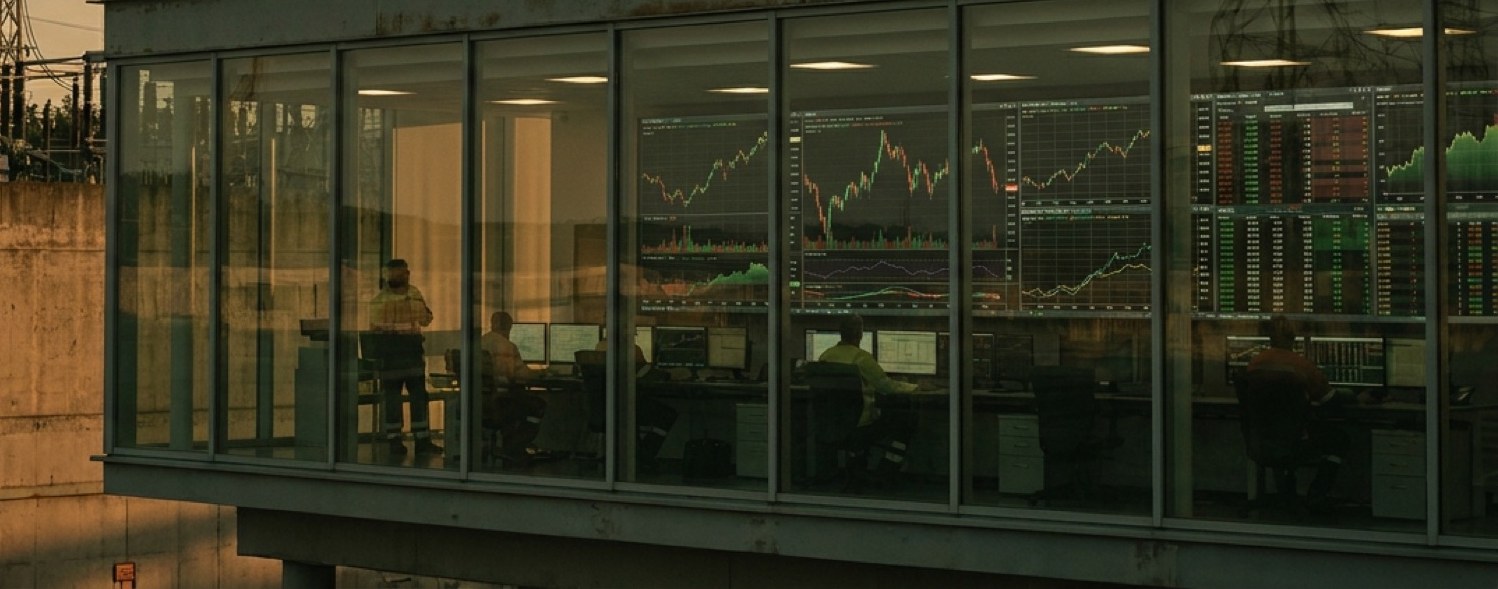
Energy Trading & Commodities
Improve the operations connecting physical delivery with financial settlement.
Overview
Commodity operations connect confirmations, actualised volumes, pricing adjustments and invoices with the financial records of each deal.
Capmark helps businesses improve those processes across confirmation, actualisation, invoicing, settlement and reconciliation.
We support clearer workflow, exception management, ownership and service measures, reflecting the contracts and physical activities of the trading book.
What we do
Confirmations matched and chased across physical and financial deals, with amendments and novations tracked and unconfirmed positions visible by age. The contract record the operation works from is the one the deal was done on.
Delivered volumes captured from grid, pipeline, terminal and warehouse records and reconciled against scheduled and nominated ones, with differences investigated while the delivery month is still open. Actuals flow through to exposure, P&L and invoicing without re-keying.
Provisional and final invoices built on actualised volumes and adjusted prices, quality and assay adjustments applied once, netting agreements used, and payments matched. Disputed invoices are worked from the underlying delivery records, with resolution tracked to closure.
Daily reconciliations across trading, logistics, settlement and finance records, with breaks owned, aged and escalated on defined paths. The reconciliation set is designed once — what is compared, at what level, on what frequency — then run consistently.
Demurrage, laytime, inspection, storage and other secondary costs captured against the deals that caused them, claims raised and defended within documented time bars, and the costs visible in deal P&L rather than absorbed in overhead.
Clear ownership for each process, measures that describe the health of the operation — unconfirmed deals, open breaks, invoice ageing, close timetable — and a management rhythm that reviews them weekly and acts on the trend.
What to expect
We start by measuring the operation as it is: volumes, breaks, invoice ageing, close timetable and where the manual effort sits. The first fixes target the largest sources of breaks and rework, and the operating rhythm is built as the fixes land, with process owners in place before we step back. The team works alongside your operations staff throughout; the aim is an operation your own people run well.
Establish the current state, the constraints, the risks and the value at stake.
Shape the target model and the business case with the executives who own the outcome.
Stand up the team, the plan and the governance around the outcome.
Design, build and test the change, with the business alongside.
Cutover, hypercare and handover, so the business runs it under its own control.
The same five stages on every engagement, led by senior practitioners end to end. How we work
Insights
Get in touch
Tell us what needs to change and where the pressure or risk is showing.