

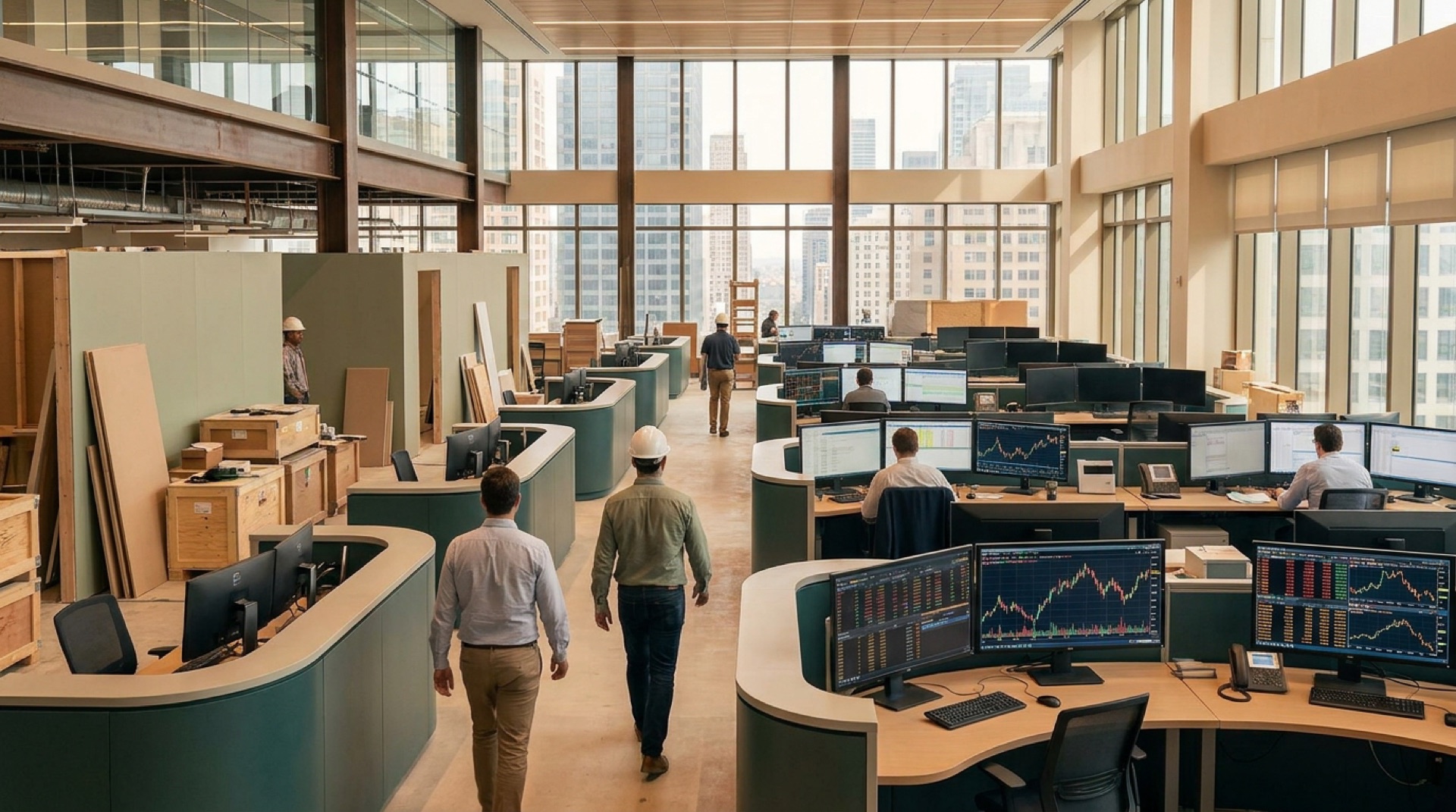
Power, Gas, Oil & LNG Trading
Improve deal capture, scheduling, logistics, valuation, risk, settlement and controls across physical and financial energy.
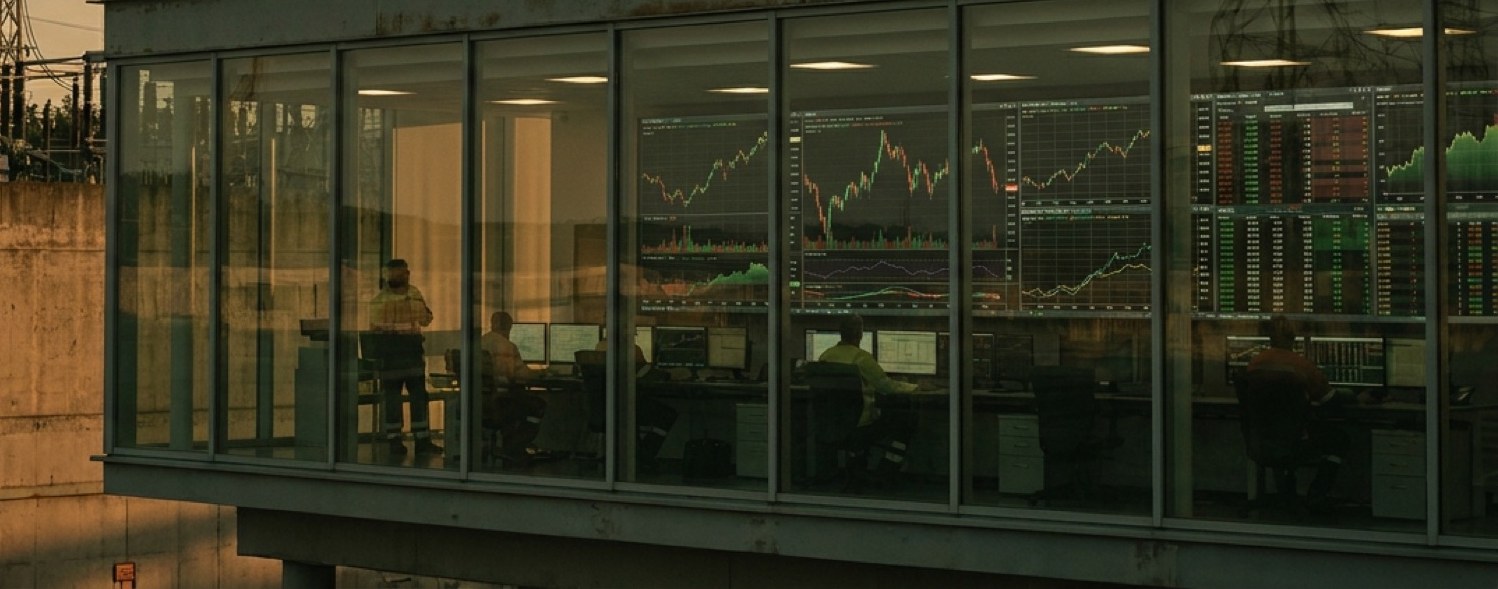
Energy Trading & Commodities
Align commodity trading systems with the contracts and physical flows they support.
Overview
Metals and agricultural trading connect pricing with quality, location, inventory, logistics and financing requirements.
Capmark helps businesses represent those requirements across contracts, CTRM platforms, exposure, documentation and settlement.
We connect the trading position with the physical chain and the operational controls around it, working with the teams responsible for trading, risk, finance and logistics.
What we do
Physical contracts carry terms that drive value: quality specifications, optionality on delivery and quantity, quotational-period pricing against exchange or assessment indices. We represent them in the CTRM so pricing exposure and P&L reflect the contract as written.
Warehouse and warrant positions, concentrates through smelting and refining, vessels and rail in transit — we connect inventory and movements to the trading position so location, quality and financing status are visible in one place.
Quotational-period pricing leaves books exposed between purchase and sale pricing dates. We build the exposure view across pricing periods, basis and quality differentials, and the P&L explain that separates price, volume, quality and timing effects.
Prepayments, repos and borrowing-base facilities sit against physical positions. We build the view that ties financing to the inventory that secures it, and the reporting a lender or credit committee can rely on.
Provisional and final invoicing on weights and assays, pricing adjustments applied once, and shipping documentation flowing with the goods. The settlement operation follows the contract, and disputes are worked from the same records both sides hold.
Inventory reconciliations against warehouse-keeper and terminal records, breaks worked while they are small, and a month-end process that proves the physical and financial books agree. Controls are built into the daily workflow, with clear ownership for each reconciliation.
What to expect
We start with the contracts and the inventory: how deals are represented, where positions sit, which reconciliations hold and which are worked by hand. The work then runs in weekly sessions with traders, traffic and logistics, risk and finance, led by a Capmark principal with a small senior team. Most clients start with one commodity or one part of the chain and extend from there.
Engagements range from a short diagnostic of one commodity chain to full CTRM and operations delivery.
Establish the current state, the constraints, the risks and the value at stake.
Shape the target model and the business case with the executives who own the outcome.
Stand up the team, the plan and the governance around the outcome.
Design, build and test the change, with the business alongside.
Cutover, hypercare and handover, so the business runs it under its own control.
The same five stages on every engagement, led by senior practitioners end to end. How we work
Insights
Get in touch
Tell us what needs to change and where the pressure or risk is showing.