
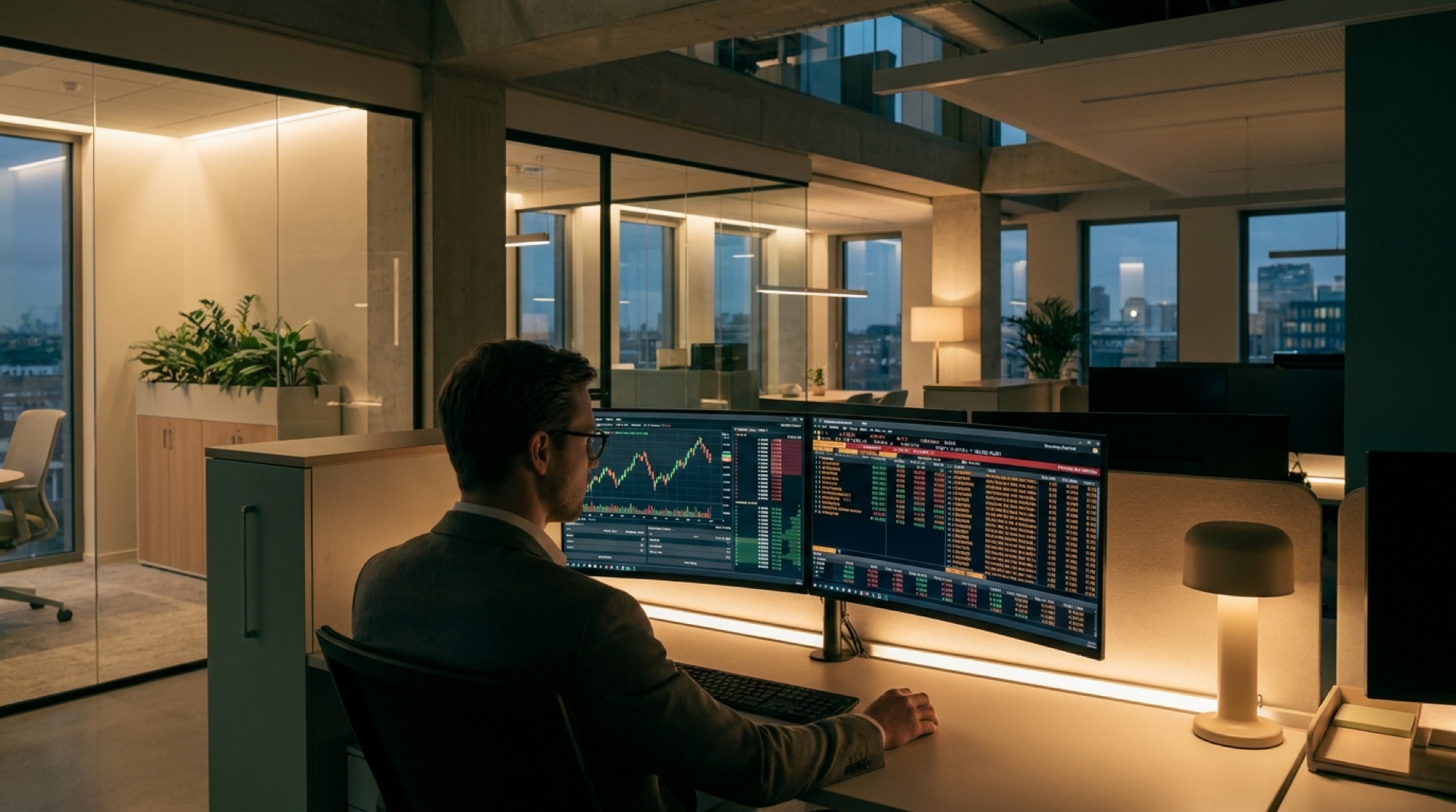
Trading & Execution
Electronic and algorithmic trading, routing, market access, venue connectivity, execution quality and trading controls.
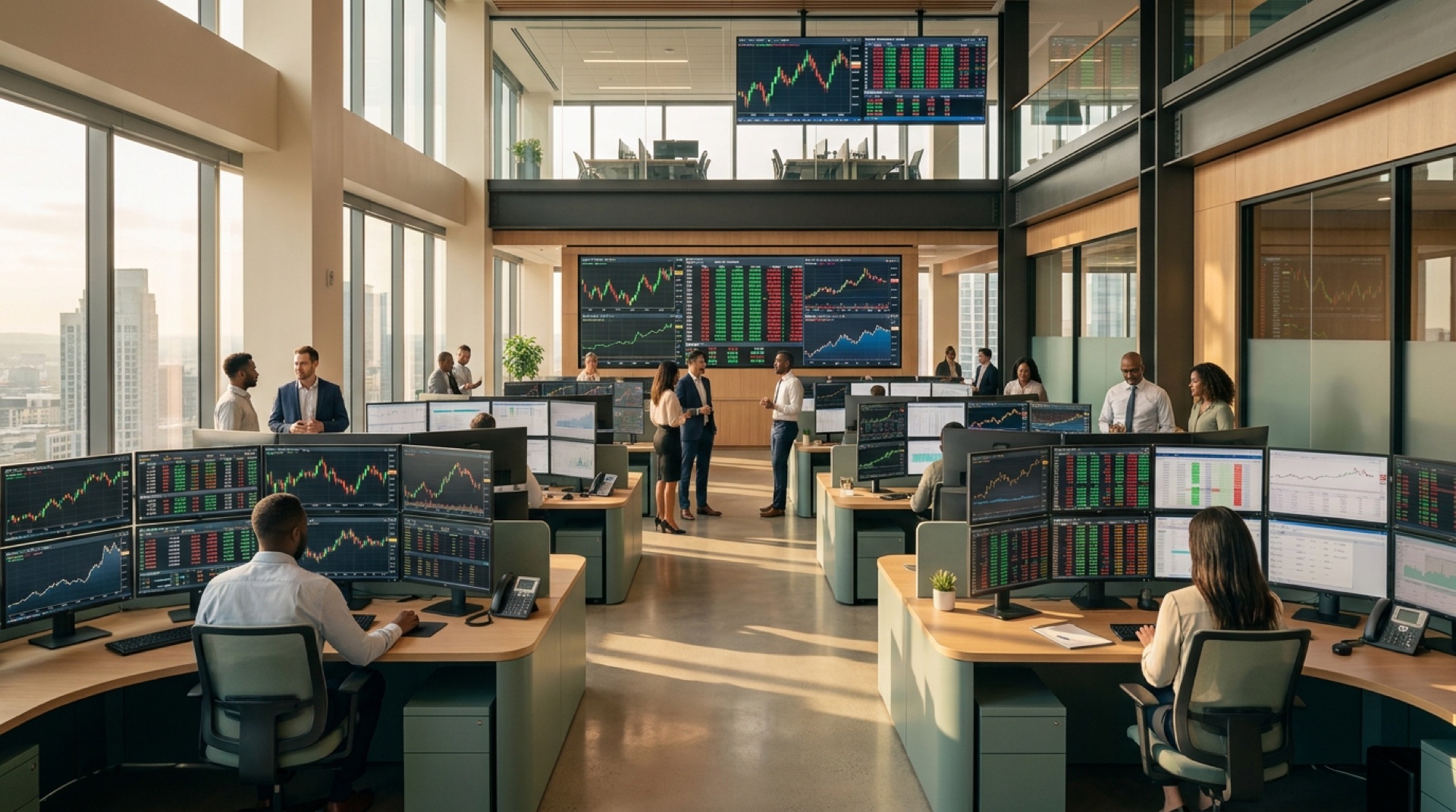
Capital Markets
Connect desk economics with operating-model and investment decisions.
Overview
Desk performance reflects revenue, execution, platform and data costs, and the operational activities supporting trading flow.
Capmark helps markets businesses assess that picture and evaluate changes to desk structure, workflow, capacity, sourcing and technology.
We connect analysis with practical operating-model choices, working with the business and its finance and operations teams on the information needed for decisions.
What we do
We model what each desk earns and what its flow costs across execution, clearing, settlement, funding, platforms, data and control. The model is built at the level where decisions are taken, with your own data, and handed over in a form your teams maintain.
Desk structure, trade lifecycle, platforms, controls and locations are designed as one reference point. It gives platform and cost decisions a common basis across desks, and it is tested against technology and control constraints before it is adopted.
The daily run of a desk accumulates manual steps: re-keying, chasing, reconciling, reporting. We map the workflow, remove the touches that add no value, and automate what remains repetitive — so the same team handles more flow with less friction.
Middle- and back-office capacity is matched to actual flow: volumes, seasonality and the work each product genuinely creates. Spans, shoring and shift patterns follow the evidence, and the cost base is reviewed against the same evidence each cycle.
Where work is done and by whom — in-house, nearshore, outsourced — is decided on cost, control and service evidence. We run the analysis, the commercial process and the transition, and set up ongoing vendor performance management.
The desk-level model supports the decisions it was built for: pricing flow, allocating platform investment, setting the desk perimeter. We stay involved as those decisions are worked through, updating the model as the business changes.
What to expect
The first weeks are spent building the desk-level picture from your own data — revenue, volumes, fees, allocations — with finance and business management in the room. The model is agreed before conclusions are drawn from it, changes are prioritised on the evidence it produces, and it is handed over in a form your teams keep current.
Engagements run from a desk-level profitability model to delivery of the operating-model change it points to.
Establish the current state, the constraints, the risks and the value at stake.
Shape the target model and the business case with the executives who own the outcome.
Stand up the team, the plan and the governance around the outcome.
Design, build and test the change, with the business alongside.
Cutover, hypercare and handover, so the business runs it under its own control.
The same five stages on every engagement, led by senior practitioners end to end. How we work
Insights
Get in touch
Tell us what needs to change and where the pressure or risk is showing.